Lithuania Denies Involvement in Drone Strike on Russia's Kaliningrad Region
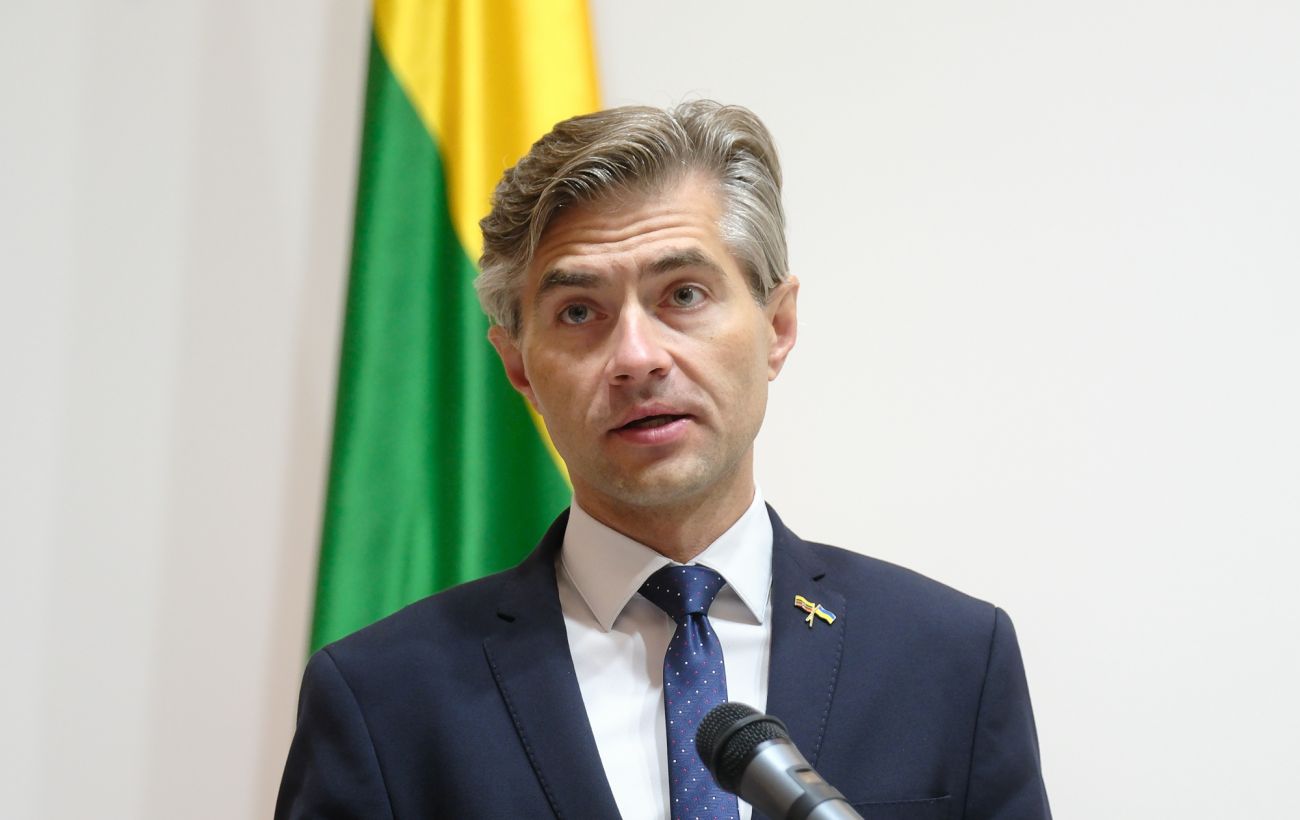
Lithuanian Foreign Minister Kęstutis Budrys dismissed claims of involvement in a drone attack on the Baltiysk naval base as false social media rumors.
 🧠AI Analysis
Photo: RBC-Ukraine
Key points
- Lithuania officially denies launching drones from its territory.
- Russian authorities provided conflicting reports about the Baltiysk explosions.
- The incident is viewed as part of a Russian disinformation campaign.
Official Vilnius has issued a stern statement refuting any involvement in recent drone incidents within the Kaliningrad region of the Russian Federation. Lithuanian Foreign Minister Kęstutis Budrys characterized the circulating reports of a strike originating from his country as entirely baseless and false. This development follows reports of explosions near the city of Baltiysk, which houses a strategically vital naval base for Russia's Baltic Fleet.
Official Stance and Rebuttal
According to the head of the Lithuanian diplomatic department, claims regarding Lithuania's participation in the operation are part of a disinformation campaign spreading through social media. Budrys emphasized that Lithuania strictly adheres to international norms and has never permitted its airspace to be used for attacks on targets within Russian territory. "The Ministry of Foreign Affairs of Lithuania categorically rejects the false claims," the minister stated in his official address.
The incident in Baltiysk occurred recently when local residents reported hearing explosions and seeing unidentified aerial vehicles. The Russian side initially attempted to explain the situation as a training exercise; however, versions involving a alleged "false signal" regarding an aerial target from the neighboring state later emerged. Such manipulation of facts has raised concerns among international observers regarding potential escalation tactics.
Regional Security Context
The situation surrounding the Kaliningrad exclave remains one of the most tense points in relations between NATO and Russia. Baltiysk serves as a key logistical and military hub, making any incidents in the area highly sensitive. Russian media frequently utilize such occurrences to fuel anti-Western sentiment and justify increasing military presence along the borders with Baltic states.
It is worth noting that this is not the first instance where Russia has attempted to accuse neighboring countries of provocations. Lithuania, as a NATO member, continues to strengthen its defense capabilities while urging vigilance in the information sphere. For residents of Ukrainian cities like Podilsk, such news serves as a reminder of the global nature of modern threats and the critical importance of verifying information from unofficial sources.
Source RBC-Ukraine — rbc.ua/ukr/news/litva-zaperechila-prichetnist-dronovoyi-ataki-17953… ↗
Read next
 🛡️Security
Operational situation on the front: summary of hostilities as of 22:00, November 21
The General Staff of the Armed Forces of Ukraine has released a report on the intensity of combat engagements and enemy attacks along the front line.
 🛡️Security
Lithuania denies Russian accusations of involvement in drone attacks
The Lithuanian Foreign Ministry has officially rejected claims by Russian authorities regarding the use of the country's airspace for attacks on the Kaliningrad region.
 👥Society
Kitchen trends: how to optimize space in your apartment
Interior designers suggest moving away from bulky dining sets in favor of compact solutions that evoke the atmosphere of a cozy cafe.
 🛡️Security
Explosions and smoke reported in Krasnodar following UAV attack
The Russian city of Krasnodar was targeted by drones, resulting in explosions and flight restrictions at the local airport.
 🏛️Politics
Donald Trump comments on the departure of White House press secretary Caroline Leavitt
US President Donald Trump discussed the resignation of his former press secretary Caroline Leavitt, who left her post following the birth of her second child.
 🎭Culture & Sport
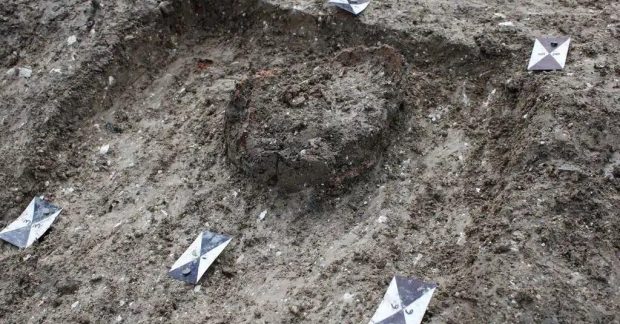
Archaeologists discover unique Roman infant burial in Great Britain
During excavations in Buckinghamshire, scientists found a ceramic vessel containing infant remains and ritual offerings, dating back to the 3rd-4th centuries.