Even the end of the war in Ukraine will not stop Russian sabotage in Europe, says Polish minister
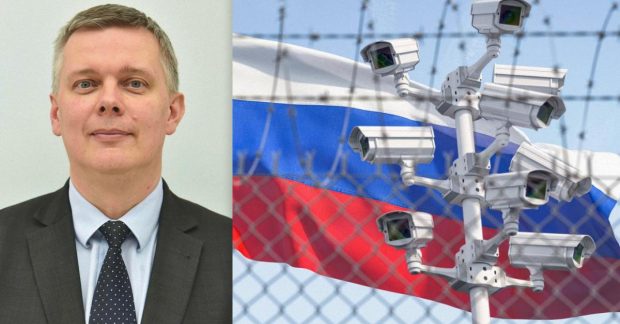
Polish special services coordinator Tomasz Siemoniak stated that the Kremlin's subversive campaign in Europe will not end with a peace agreement, as Moscow aims to intimidate European governments and weaken NATO.
 🇺🇦Ukraine
Photo: UNIAN
Key points
- Russian sabotage in Europe will persist after the war ends
- Operations target railways, communications, and defense sites
- Kremlin aims to intimidate Europe and weaken NATO
- Airspace breaches in Poland serve as deliberate provocations
The cessation of active hostilities in Ukraine will not put an end to Russia's hybrid and sabotage campaign across European nations. This was stated by Tomasz Siemoniak, the minister-coordinator of Polish special services, emphasizing that the Kremlin's strategic goals remain unchanged.
Escalation of Hybrid Threats
In recent months, the operational activity of Russian intelligence services in Europe has intensified significantly. While previous actions largely involved localized incidents like arson at shopping centers and warehouses, the scope has now expanded to target railways, communication networks, and defense installations.
According to the Polish official, some of these attacks are specifically aimed at disrupting logistics and the delivery of aid to Ukraine. At the same time, Moscow seeks to instill fear among the civilian population, undermine trust in European governments, and weaken the West's collective resolve to support Ukraine.
Testing NATO's Resolve
The Polish official also addressed recent incidents involving Russian missiles and drones breaching Polish airspace, describing them as deliberate provocations designed to test the alliance's reaction.
“Russia is trying to bring back the idea of Cold War spheres of influence,” Tomasz Siemoniak added.
Even a hypothetical peace agreement will not alter the position of the Russian leadership or halt these operations. Moscow is attempting to impose a new security architecture on Europe, meaning that European nations must prepare for a long-term, persistent hybrid threat regardless of frontline developments.
Source UNIAN — unian.ua/world/diversiji-rf-u-yevropi-ne-pripinyatsya-pislya-zavers… ↗
Read next
 🚨Events
Two individuals to stand trial in Odesa for a series of luxury car arsons
Two young people will face trial for orchestrating the arson of six vehicles in Odesa. The perpetrators acted on orders received via instant messengers, but never receive…
 🛡️Security
Ukraine and Norway to Scale Up Production of DESNA Air Defense Systems
The defense ministries of Ukraine and Norway have agreed to expand the production of DESNA air defense launchers, which have proven effective against drones.
 🚨Events
Court upholds detention for suspect in Petropavlivska Borshchahivka incident
The Kyiv Court of Appeal rejected the appeal of Valentyna Moloda, who is suspected of obstructing the activities of the Armed Forces of Ukraine.
 🚨Events
Seven Years in Prison: Court Sentences Driver Responsible for Fatal Crash in Khmelnytskyi Region
The Shepetivka City District Court has sentenced a driver whose fault caused a major traffic accident resulting in two deaths and five injuries on the Shepetivka — Polonn…
 💼Economy
Delay in protective duties on Turkish pipes threatens Ukraine's metallurgical industry
Due to delays in imposing anti-dumping duties on imports from Turkey, domestic welded pipe manufacturers are losing their home market. The situation poses significant ris…
 🛡️Security
Norway in dialogue with Ukraine over Baltic region stability after vessel incidents
Norwegian Defense Minister Tore O. Sandvik announced consultations with Ukrainian authorities regarding security and stability in the Baltic Sea.