Technological Deadlock: Experts Assess the State of Russia's Military Aviation and Its Reliance on Soviet Stocks
Russian strategic aviation faces a deep crisis due to the loss of technological chains and the depletion of Soviet resources. Restoring serial production of engines and airframes remains impossible.
 🛡️Security
Photo: UNIAN
Key points
- Russia has lost Soviet technological cycles for strategic aviation production
- Engine shortages critically limit repair capabilities
- Logistics hurdles and sanctions have stalled new radar aircraft projects
- The lifespan of existing carriers is rapidly depleting due to intense combat sorties
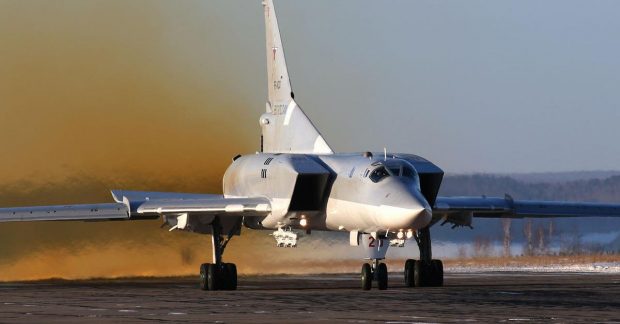
The military-industrial complex of the Russian Federation is facing unprecedented technological barriers in the restoration and creation of strategic aircraft. According to defense experts, Moscow's modern long-range aviation relies entirely on the remnants of the Soviet legacy, as unique metallurgy, machine tool fleets, and enterprise cooperation have been lost.
Engine Production Limits and Equipment Cannibalization
The inability to serially manufacture reliable aircraft engines remains a critical issue. Specifically, the NK-12MP turboprop engines for Tu-95MS bombers and NK-25 engines for Tu-22M3 supersonic aircraft are not being reproduced due to a lack of necessary competencies and materials. Experts note that the entire fleet of such machines relies on warehouse stocks and the cannibalization of older airframes.
Furthermore, the intensive use of cruise missile carriers significantly reduces their remaining service life. Continuous combat sorties burn through the equipment's lifespan much faster than peacetime regulations dictate, while attempts to establish the assembly of new aircraft face shortages of critical components and high defect rates at manufacturing plants.
Logistical Difficulties and Fleet Degradation
The situation is further complicated by logistics issues in aircraft repair and maintenance. External factors and sanctions pressure on microelectronics supplies have blocked promising projects, such as the development of new airborne warning and control system aircraft. Consequently, the adversary is forced to strictly limit the number of simultaneous missile salvos, conserve existing resources, and rely on the depletion of an aging fleet.
Source UNIAN — unian.ua/weapons/rosiya-maye-obmezheni-mozhlivosti-vidnovlyuvati-st… ↗
Read next
 🚌Transport
Residents of Rivne Region Convicted for Organizing Illegal Border Crossing in Zhytomyr Region
A court has sentenced two residents of Rivne region who attempted to illegally smuggle five individuals across the state border. The unlawful activity was halted under th…
 🚨Events
Warmer Than Average: Meteorologists Issue Preliminary Forecast for December 2026
Winter in Ukraine is expected to begin with relatively mild weather, with December temperatures likely 1-2°C above the climate norm. Forecasters predict rain, sleet, and …
 🚌Transport
Smallest Owl in Ukraine Spotted in Chornobyl Reserve: Unique Features of the Rare Bird
Researchers in the Chornobyl Reserve have recorded the Eurasian pygmy owl, the smallest owl species in Ukraine, known for its unique daytime hunting habits.
 🚨Events
The Crown star Elizabeth Debicki spotted in trendy leopard print look in New York
Australian actress Elizabeth Debicki was caught by paparazzi walking through New York City wearing a stylish animal print outfit.
 🚨Events
Finland Considers Building Tank Barriers on Russian Border Drawing on Ukraine's Experience
Finnish MPs are advocating for the construction of major fortifications along the Russian border during peacetime, drawing lessons from the war in Ukraine.
 🩺Health
Coffee and Heart Health: Cardiologist Advises Podilsk Residents on Milk Choices
Choosing the right plant-based milk for your coffee is crucial for heart health, as some options contain hidden sugars.